Meal Prep Salads
Crunchy Asian-Inspired Chicken Salad for Meal Prep
Crunchy Asian-Inspired Chicken Salad for Meal Prep: chicken breast, cabbage and carrots, ginger sesame dressing, and roasted peanuts for crunchy cold lunches.
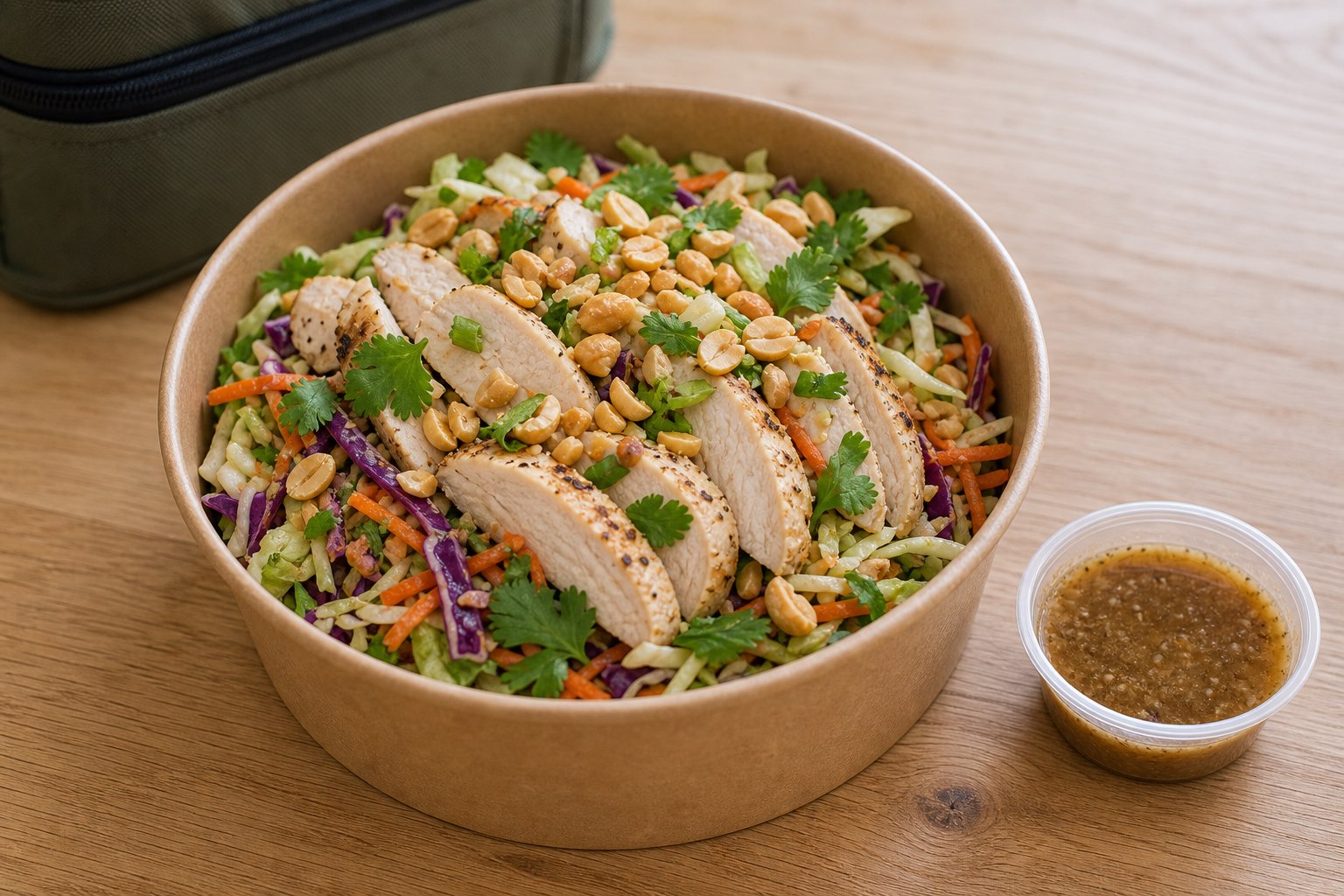
I like this one for weeks when lunch needs to be ready before the day gets loud. This crunchy asian-inspired chicken salad for meal prep is built around chicken breast, cabbage and carrots, ginger sesame dressing, and roasted peanuts. It is written for containers, a refrigerator, a commute, and a real midday break, so the packing notes matter as much as the ingredient list.
Packed salads usually fail for boring reasons: damp greens, a warm ingredient under a lid, or dressing poured too early. This one is written around those little practical problems.
Why I like this for meal prep
Cabbage and carrots works here because it can sit in a container without turning fragile immediately. The trick is keeping dressing and juicy add-ins from doing all their damage early.
The filling part of the salad is chicken breast. It helps the lunch feel complete without needing a microwave, which is the whole point of this kind of workday salad.
This salad depends on ginger sesame dressing for brightness, but not early soaking. Keep it separate unless you are using a carefully layered jar.
Personal experience
I started making versions of this when I got tired of buying lunch and then feeling annoyed by a soggy salad from the fridge.
For this one, I would pack the ginger sesame dressing in a small cup and tuck the roasted peanuts into a separate bag. It is a tiny extra step, but it keeps the salad from tasting like it was packed yesterday even when it was.
I would eat the first container as a check and adjust the next one if needed: a little more ginger sesame dressing, a drier corner for the greens, or less topping until lunch.
Ingredients
The ingredients here are ordinary on purpose. The useful part is how they are cooled, dried, divided, and dressed.
- 3 to 4 cups cabbage and carrots
- 2 cups chicken breast
- 1/2 cup ginger sesame dressing
- 1/3 cup roasted peanuts
- 1 cup chopped cucumbers or celery
- 1 cup cherry tomatoes or another sturdy vegetable
- 1 tablespoon fresh herbs
- Kosher salt and black pepper
Ingredient notes
Dry cabbage and carrots before packing. Even a good dressing cannot fix greens that went into the container already wet.
If roasted peanuts sits against wet ingredients, the flavor may be fine, but the texture will not be the same.
I try not to make lunch depend on one perfect ingredient. If the cucumbers look soft, use celery. If the tomatoes are bland, use roasted red peppers. If the greens look tired, switch to cabbage.
Step-by-step instructions
- Wash and fully dry the cabbage and carrots before chopping them into lunch-friendly pieces.
- Prepare the chicken breast and let any warm ingredient cool before it touches the greens.
- Whisk or shake the ginger sesame dressing, then portion it into small dressing cups.
- Divide the sturdy vegetables, chicken breast, and greens into four containers.
- Pack the roasted peanuts separately and add that topping right before eating.
I do one quick container check before closing the lids: cool ingredients, dry greens, dressing cup upright, and enough room to toss at lunch.
How to pack it for work
Use cabbage instead of spring mix because it holds texture longer. I treat that as the anchor note for this salad, because it changes how the container tastes a few hours later.
For most work lunches, I use a shallow container and keep the dressing cup upright in one corner. If you use a jar, plan to pour it into a bowl before eating.
If lunch rides in a bag for a while, keep the dressing cup in a small zip bag or tucked upright. One tiny leak can flavor the whole container.
If you commute with lunch in a bag, put the dressing cup in a small zip bag or tuck it upright in the corner. A tiny leak can make the whole container taste like dressing.
Day-two texture check
The day-two version of crunchy asian-inspired chicken salad for meal prep is usually a little more settled, which can be nice if the ginger sesame dressing has had time to flavor the sturdier ingredients. I still keep the greens protected.
For a desk lunch, I would pack crunchy asian-inspired chicken salad for meal prep with a fork, napkin, and the dressing cup already tucked beside it. The fewer decisions in the morning, the better.
Do not judge the salad right after packing. Cold lunch ingredients need a little extra acid and salt, so taste the ginger sesame dressing with something from the salad before you call it done.
What makes this useful
I would not make crunchy asian-inspired chicken salad for meal prep for looks alone. It earns its place when the container can wait in the refrigerator, ride to work, and still taste like a planned lunch.
For a lighter lunch, keep the portion of chicken breast moderate and add extra crisp vegetables. For a more filling one, add a side of toast, crackers, fruit, or a small cup of soup.
That is the kind of detail I look for in a recipe before I would repeat it: not just what goes in the bowl, but what still tastes good after the lid has been closed for hours.
I would also pay attention to how hungry you are after eating it. If crunchy asian-inspired chicken salad for meal prep feels too light, add a simple side next time instead of overloading the container until the salad loses its texture.
Storage notes
For the best lunch, plan the containers around three to four days and eat the one with the most delicate ingredients first.
This is everyday home-cooking guidance, not a food-safety guarantee. Keep the salad chilled and be conservative with leftovers that look or smell questionable.
Small tips that help
- Dry greens thoroughly before packing.
- Cool cooked ingredients before closing containers.
- Keep dressing separate until lunch unless using a jar layering method.
- Add roasted peanuts at the last minute for better texture.
- Taste the ginger sesame dressing before packing; cold food often needs a little extra acidity or salt.
Variations
You can change the base, but match it to the prep window. Cabbage and kale wait better; spinach and tender greens want to be eaten sooner.
If you change the filling, keep the texture in mind. Creamy, juicy, or warm ingredients need more space from delicate greens.
For a lunch that feels more filling, add a slice of toast, pita chips, crackers, or a small container of cooked pasta. I would rather add a simple side than overload the salad until it stops tasting fresh.
FAQ
Which container of Crunchy Asian-Inspired Chicken Salad for Meal Prep should I eat first?
Eat the container with the wettest or most delicate ingredients first. The sturdier lunches can usually wait closer to three to four days, especially when the dressing is still in its own cup.
How much ginger sesame dressing should I pack for crunchy asian-inspired chicken salad for meal prep?
Start with a small dressing cup instead of flooding the container. Cold salads often need brightness, but too much dressing is the fastest way to make lunch feel tired by noon.
Why use cabbage instead of spring mix?
Cabbage is sturdier and keeps its crunch after a night in the fridge. Spring mix is nice at dinner, but it gets tired fast in a lunch container.
Can I add mandarin oranges?
Yes, but drain them well and pack that container early in the week. Extra juice is nice for flavor and terrible for crunch.
When should I add the roasted peanuts for crunchy asian-inspired chicken salad for meal prep?
Add roasted peanuts right before eating. I like packing them in a tiny bag or side cup because even a little moisture can steal the best texture.
Would you use a jar or a shallow container for crunchy asian-inspired chicken salad for meal prep?
A shallow airtight container is easiest here. Put cabbage and carrots on one side, chicken breast on the other, and keep the ginger sesame dressing in a small cup so lunch does not turn soggy in the bag.
What can I use instead of chicken in Crunchy Asian-Inspired Chicken Salad for Meal Prep?
For crunchy asian-inspired chicken salad for meal prep, try chickpeas, white beans, lentils, baked tofu, or extra roasted vegetables. Choose something firm enough to sit beside cabbage and carrots without turning mushy.
Food storage links I keep handy
These are general food-safety references I use for refrigerator and leftover basics. They are not diet, medical, or nutrition advice.
You may also like
 Meal Prep Salads
Chicken Caesar Meal Prep Salad That Stays Crisp
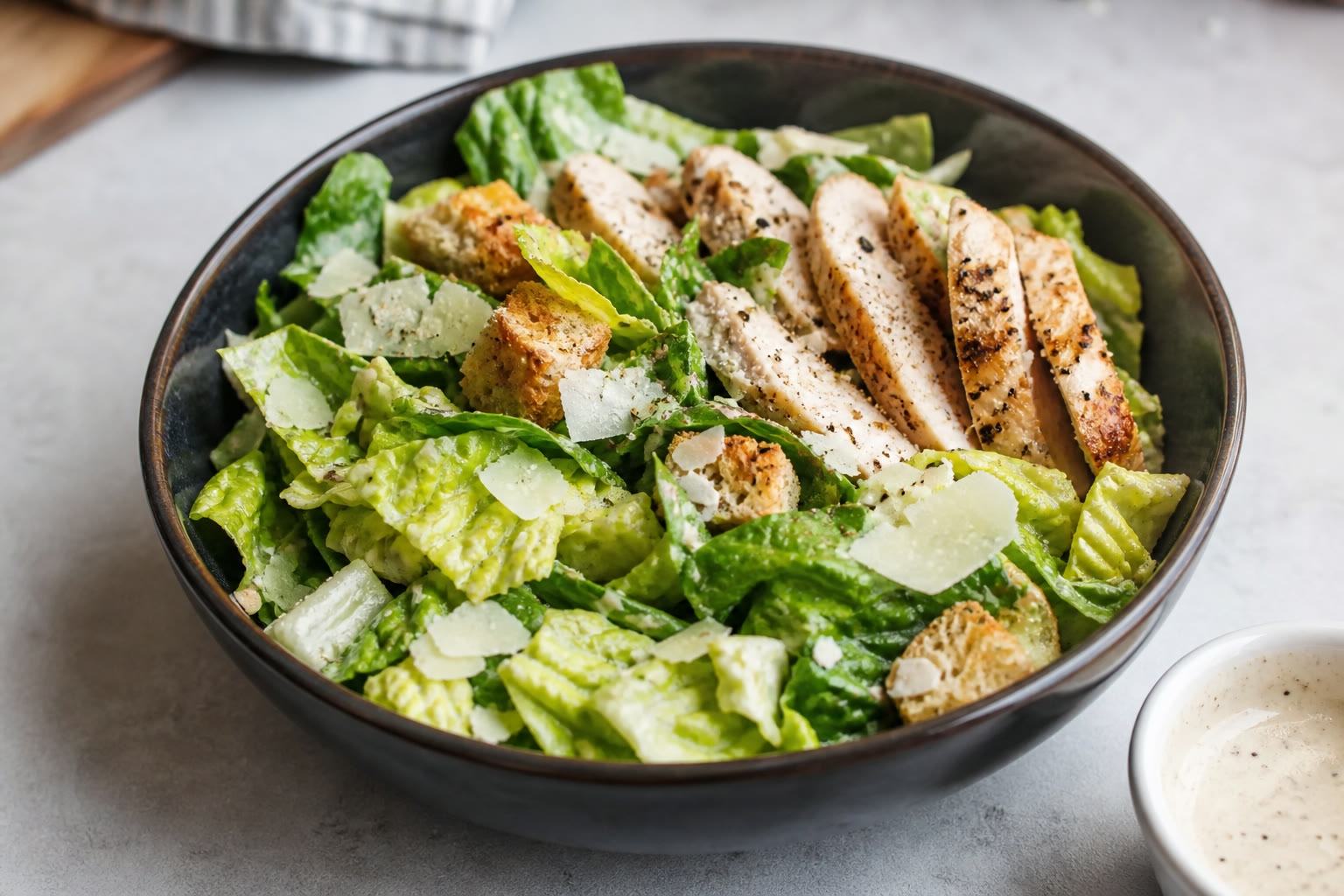
Chicken Caesar Meal Prep Salad That Stays Crisp: grilled chicken, romaine, parmesan yogurt Caesar, and croutons for Monday office lunches.
- Time
- 25 minutes
- Serves
- 4 lunches
 Meal Prep Salads
Mediterranean Chickpea Meal Prep Salad
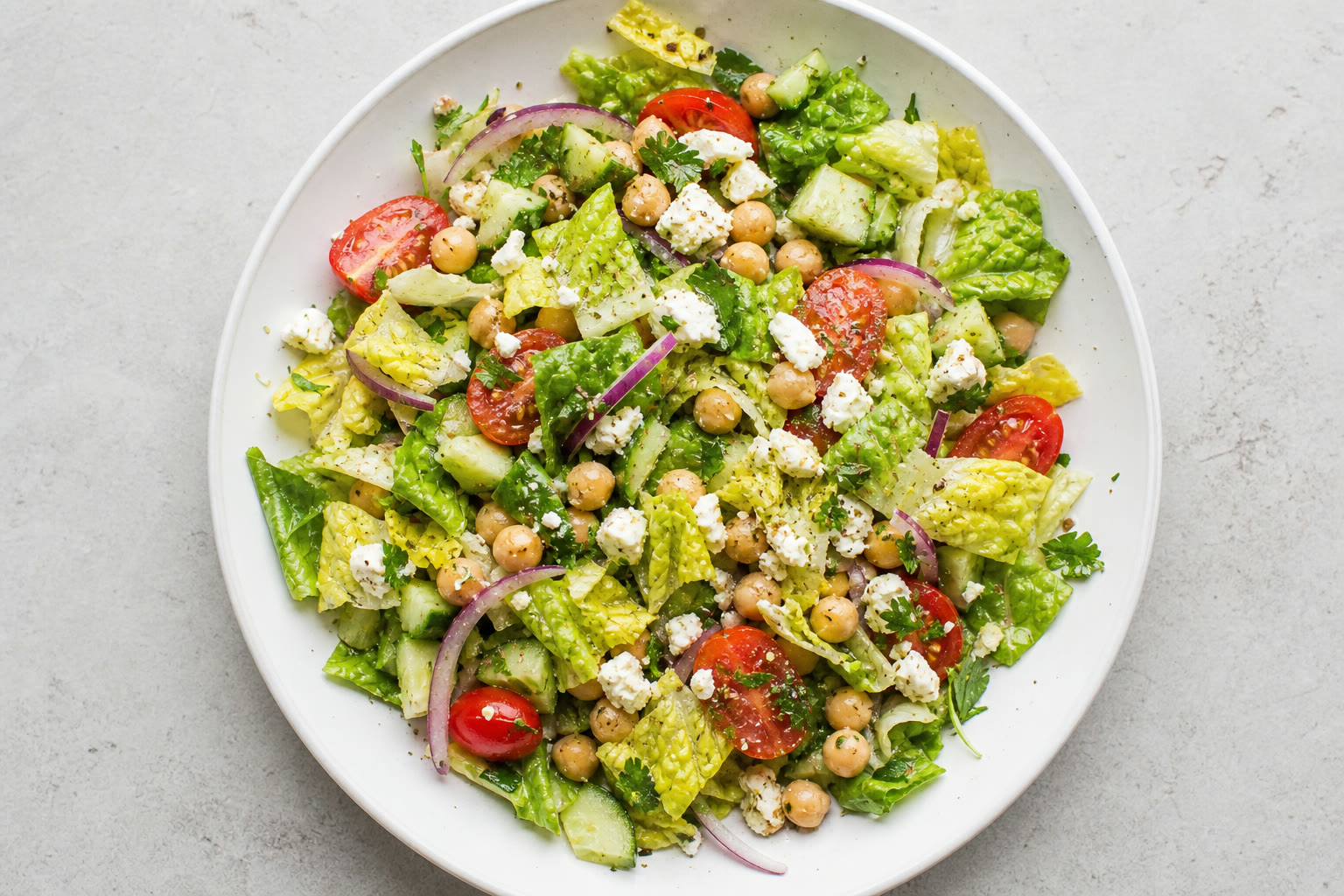
Mediterranean Chickpea Meal Prep Salad: chickpeas, cucumber and romaine, lemon oregano vinaigrette, and feta for no-reheat desk lunches.
- Time
- 25 minutes
- Serves
- 4 lunches
 Meal Prep Salads
Southwest Chicken Salad Jars for Work Lunches
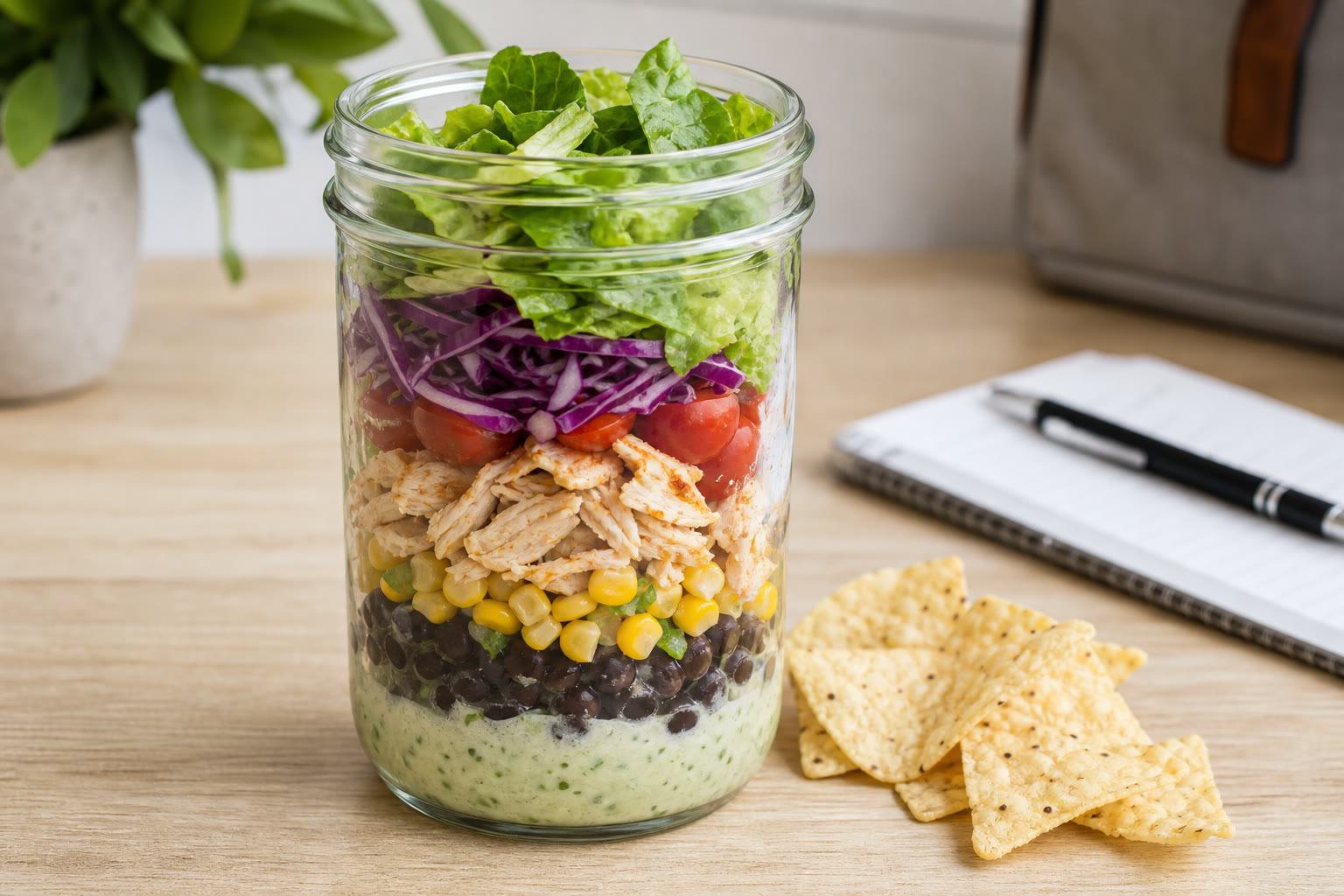
Southwest Chicken Salad Jars for Work Lunches: shredded chicken, romaine and cabbage, lime cilantro dressing, and crushed tortilla chips for jar salads.
- Time
- 25 minutes
- Serves
- 4 lunches

About Emma Reed
Emma Reed is a Midwest-based home cook and lunch-prep writer. She focuses on make-ahead salads, simple dressings, and practical container notes from everyday home-kitchen testing. She is not a dietitian, doctor, or professional chef.
Each Workday Salads article is written around real lunch-prep questions: what gets soggy, what should stay separate, and how the salad behaves after refrigerator time.
Read more about the author How recipes are tested