Salad Prep Tips
How to Pack Salads So They Stay Crisp
How to Pack Salads So They Stay Crisp: container notes, texture tips, and work-lunch planning for beginner salad packing.
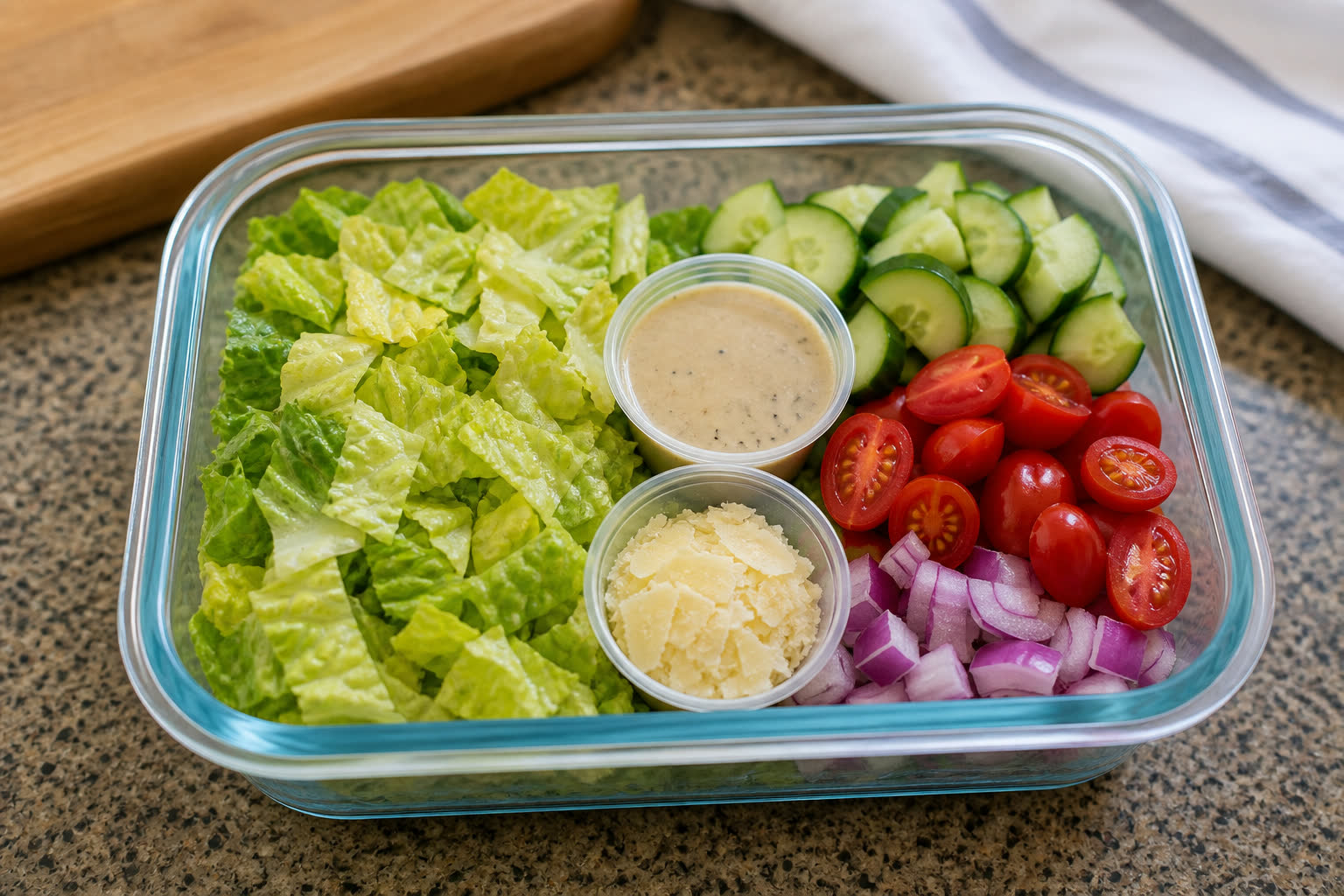
This is a practical lunch salad, not the kind that only behaves for ten minutes after you make it. This how to pack salads so they stay crisp focuses on containers, ingredient order, dressing timing, and small habits that keep salad lunches fresh. It is written for containers, a refrigerator, a commute, and a real midday break, so the packing notes matter as much as the ingredient list.
The packing order does a lot of work. If the wettest ingredients sit away from the greens and the crunchy toppings waits until lunch, the salad feels much fresher.
Why I like this for meal prep
The best prep habits are small enough to repeat on a regular Sunday. They keep wet ingredients controlled and make the next morning feel easier.
The goal is not a perfect fridge photo. The goal is a container you can open at work without finding limp greens underneath everything.
Most of the advice here works with ordinary grocery-store ingredients and regular lunch containers.
Personal experience
I like prep systems that still work when the week gets busy, because that is when lunch usually falls apart.
A few separate containers may look less tidy than one perfect stack, but they keep greens, dressing, and toppings from fighting each other.
That is the standard I use here: can a normal person repeat it on a Sunday without turning lunch into a project?
Ingredients
I think of the list in parts: a sturdy base, something filling, dressing in a cup, and one topping that waits until lunch.
- Clean airtight lunch containers
- Small dressing cups or jars
- Dry sturdy greens such as romaine, cabbage, or kale
- Cooked proteins or beans that have cooled completely
- Watery vegetables packed with care
- Crunchy toppings stored separately
- Labels or tape for dates
- Paper towels for extra moisture control
Ingredient notes
If romaine, cabbage, kale, and spinach look tired or wet, use the crispest pieces for later containers and save the softer pieces for the first lunch.
The small side cup is not fussy; it is what keeps crackers, nuts, chips, and croutons from turning soft.
If you are shopping at a regular supermarket, choose the best-looking sturdy vegetable first and build around it. A crisp head of romaine or a bag of cabbage mix can rescue a lot of lunch plans.
Step-by-step instructions
- Start with clean, dry greens and fully cooled cooked ingredients.
- Choose a container style that fits the salad instead of forcing every salad into a jar.
- Place wet or heavy ingredients away from delicate greens whenever possible.
- Pack dressing and crunchy toppings separately until lunch.
- Label containers with dates and use the most delicate salads first.
This is also the moment to move juicy pieces to one side of the container so they do not soak the greens before lunch.
How to pack it for work
Put wet ingredients below sturdy vegetables and keep greens away from dressing. If you only remember one packing detail for this recipe, make it that one.
If you are packing more than one lunch, build the most delicate container for the earliest day and save the sturdiest one for later.
If your lunch bag gets jostled, pack the softest ingredients away from the greens and put the topping cup on top.
If the salad includes fruit, I pack it closer to the top and eat that container earlier in the week. Fruit is lovely, but it is not the most patient lunch ingredient.
Day-two texture check
I judge salad prep by how it behaves after one night in the fridge. A system that only works for the first lunch is not very useful for a workweek.
If mornings are rushed, do the washing, chopping, and cooking ahead. Save only the quick decisions, like avocado or crunchy toppings, for the day you eat.
If one ingredient is especially wet, give it its own corner. That tiny bit of separation keeps the whole lunch from tasting like the wettest thing in the box.
What makes this useful
How to Pack Salads So They Stay Crisp works best when it is treated as a packed lunch from the beginning, not as a dinner salad forced into a container afterward.
If you are packing for more than one person, leave the crunchy toppings and separate dressing cups separate so each container can be adjusted at lunch. That is easier than trying to predict everyone's perfect amount in the morning.
A recipe like this is only helpful if it tells you where the texture can fail. The separate dressing cups, romaine, cabbage, kale, and spinach, and crunchy toppings are the parts I would watch first.
If you are new to packing salads, make one container before making four. That single test tells you how the romaine, cabbage, kale, and spinach, separate dressing cups, and crunchy toppings behave in your actual fridge.
Storage notes
The storage window depends on the wettest ingredient, not the strongest one. For this salad, three to four days is the range I would plan around.
Labeling the containers helps more than people think. It keeps the older lunch from hiding behind the newer one until it is past its best texture.
Small tips that help
- Dry greens thoroughly before packing.
- Cool cooked ingredients before closing containers.
- Keep dressing separate until lunch unless using a jar layering method.
- Add crunchy toppings at the last minute for better texture.
- Taste the separate dressing cups before packing; cold food often needs a little extra acidity or salt.
Variations
The base does not have to be identical every time. Keep the same dressing and filling, then adjust the greens based on what looks fresh.
For more protein, add something firm and cold: boiled eggs, chickpeas, chicken, tuna, tofu, or edamame all work better than a wet scoop of something hot.
If you are making this for more than one person, keep the base the same and let each person choose the topping. That is easier than building four totally different lunches.
FAQ
What is the biggest reason packed salads get soggy?
Wet greens. Dressing matters, but washed lettuce that was never dried properly can ruin lunch before anything else happens.
Should dressing always go on the side?
For work lunches, usually yes. A sturdy bean salad can handle dressing earlier, but tender greens are better when dressed right before eating.
What should never touch the greens too early?
Warm chicken, juicy tomatoes, wet cucumbers, and crunchy toppings. Give those ingredients their own corner or cup.
Is a paper towel in the container useful?
Sometimes. It can catch extra moisture from greens, but it will not save a salad that was packed warm or drenched in dressing.
Food storage links I keep handy
These are general food-safety references I use for refrigerator and leftover basics. They are not diet, medical, or nutrition advice.
You may also like
 Salad Prep Tips
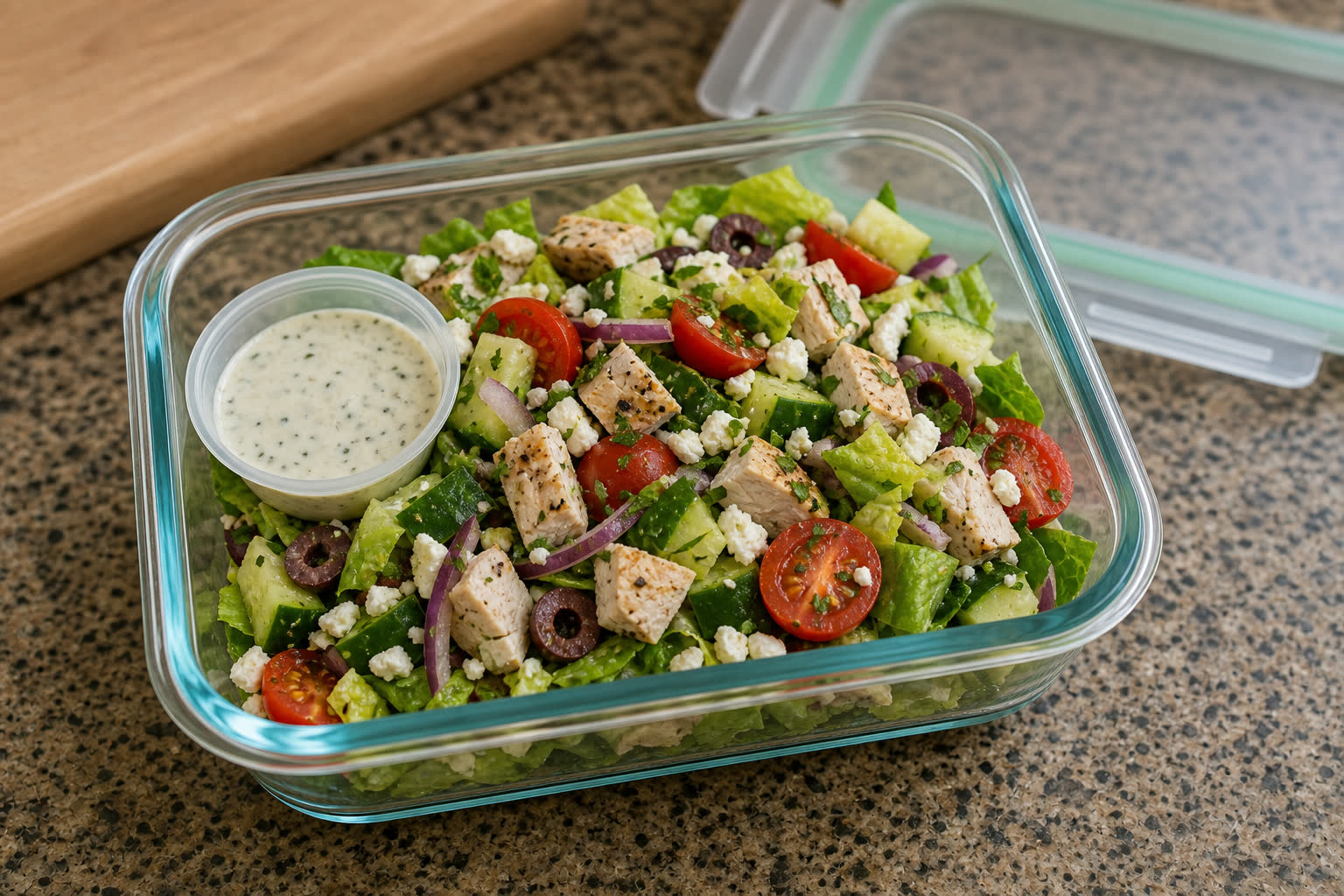
Best Containers for Meal Prep Salads
Best Containers for Meal Prep Salads: container notes, texture tips, and work-lunch planning for container planning.
- Time
- 25 minutes
- Serves
- 4 lunches
 Salad Prep Tips
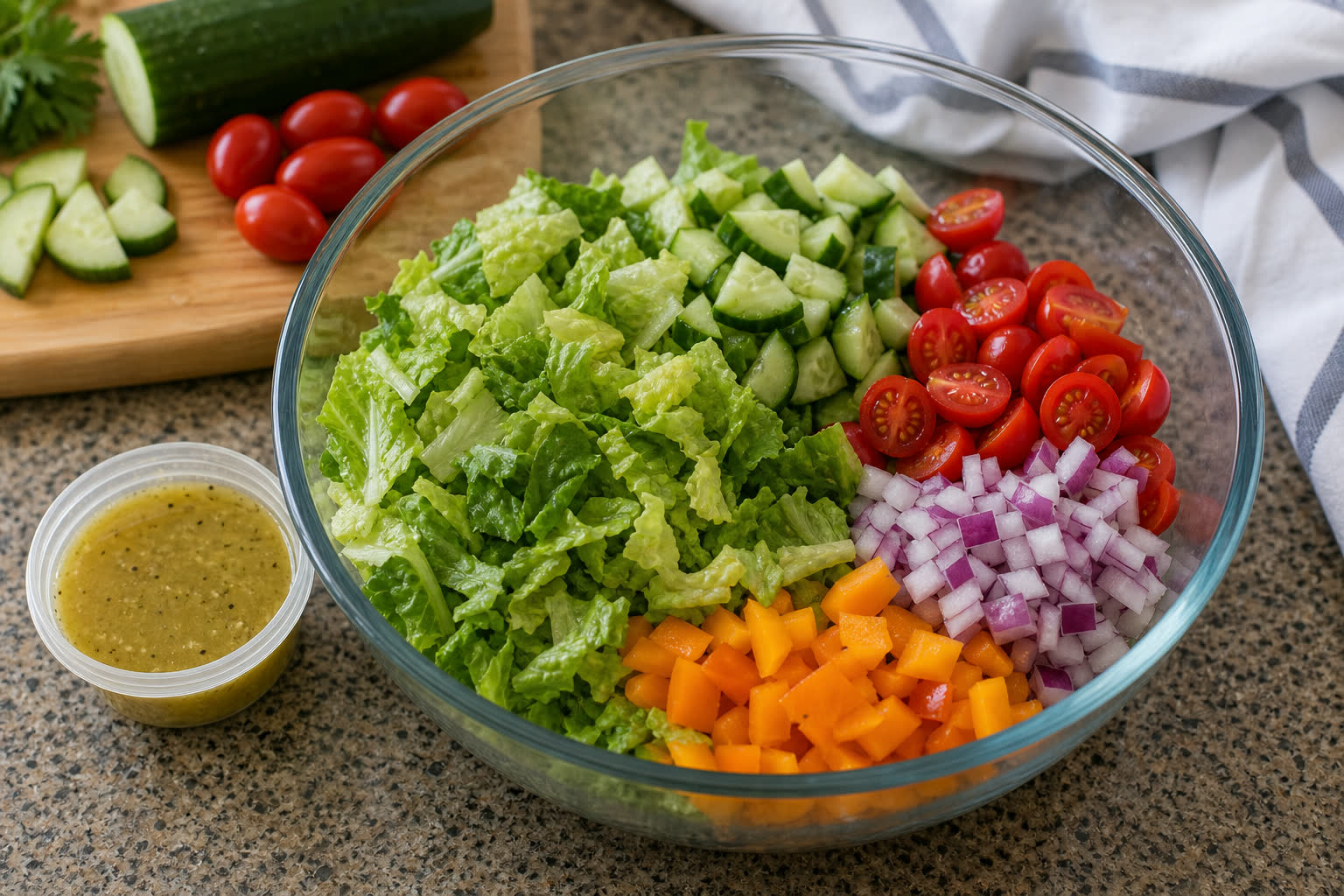
A Beginner's Guide to Sunday Salad Prep
A Beginner's Guide to Sunday Salad Prep: container notes, texture tips, and work-lunch planning for weekly salad planning.
- Time
- 25 minutes
- Serves
- 4 lunches
 Meal Prep Salads
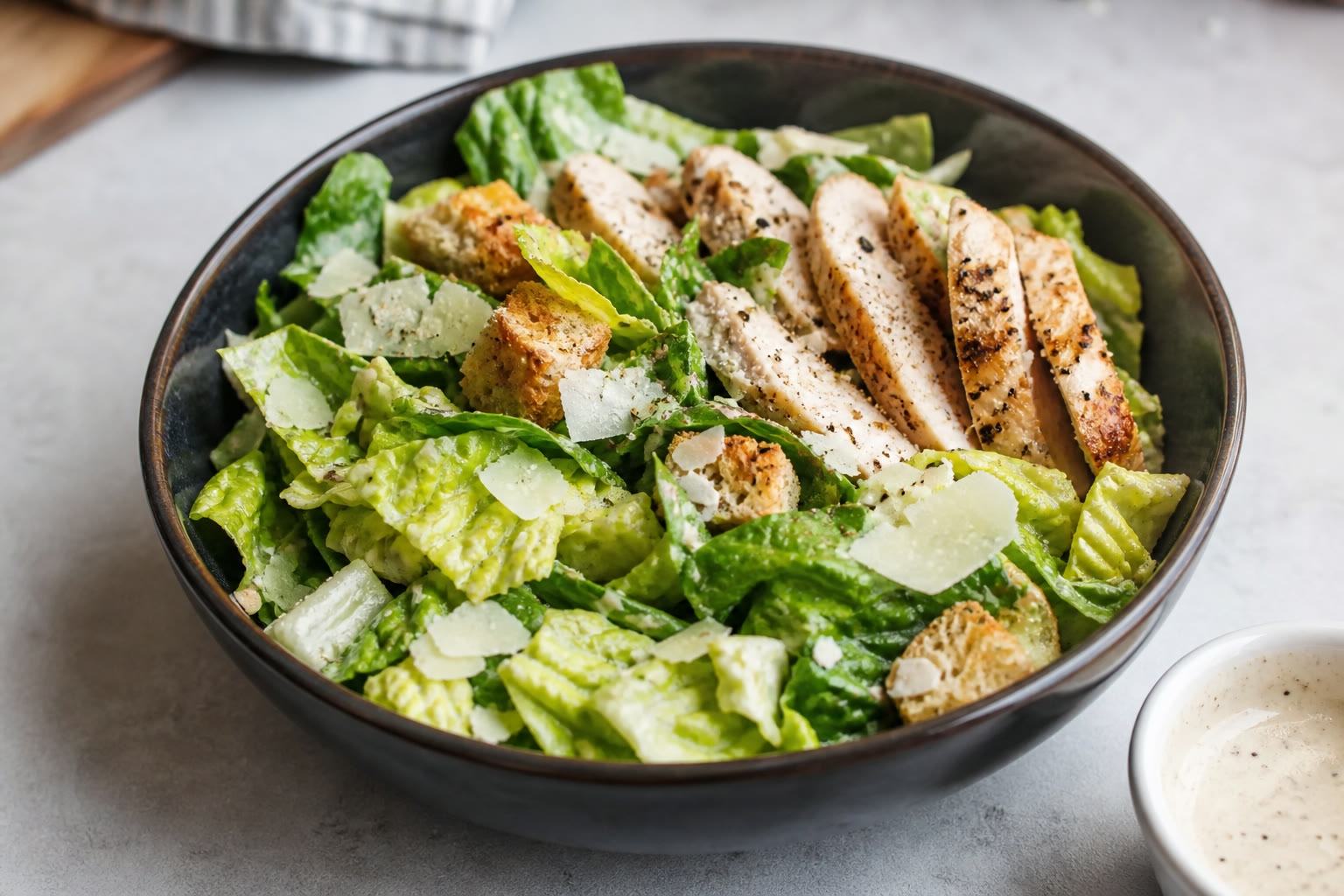
Chicken Caesar Meal Prep Salad That Stays Crisp
Chicken Caesar Meal Prep Salad That Stays Crisp: grilled chicken, romaine, parmesan yogurt Caesar, and croutons for Monday office lunches.
- Time
- 25 minutes
- Serves
- 4 lunches

About Emma Reed
Emma Reed is a Midwest-based home cook and lunch-prep writer. She focuses on make-ahead salads, simple dressings, and practical container notes from everyday home-kitchen testing. She is not a dietitian, doctor, or professional chef.
Each Workday Salads article is written around real lunch-prep questions: what gets soggy, what should stay separate, and how the salad behaves after refrigerator time.
Read more about the author How recipes are tested