Salad Dressings
Creamy Greek Yogurt Ranch Dressing
Creamy Greek Yogurt Ranch Dressing: Greek yogurt and herbs for work salad dressing cups, with creamy ranch-style dressing, jar notes, and pairing ideas.
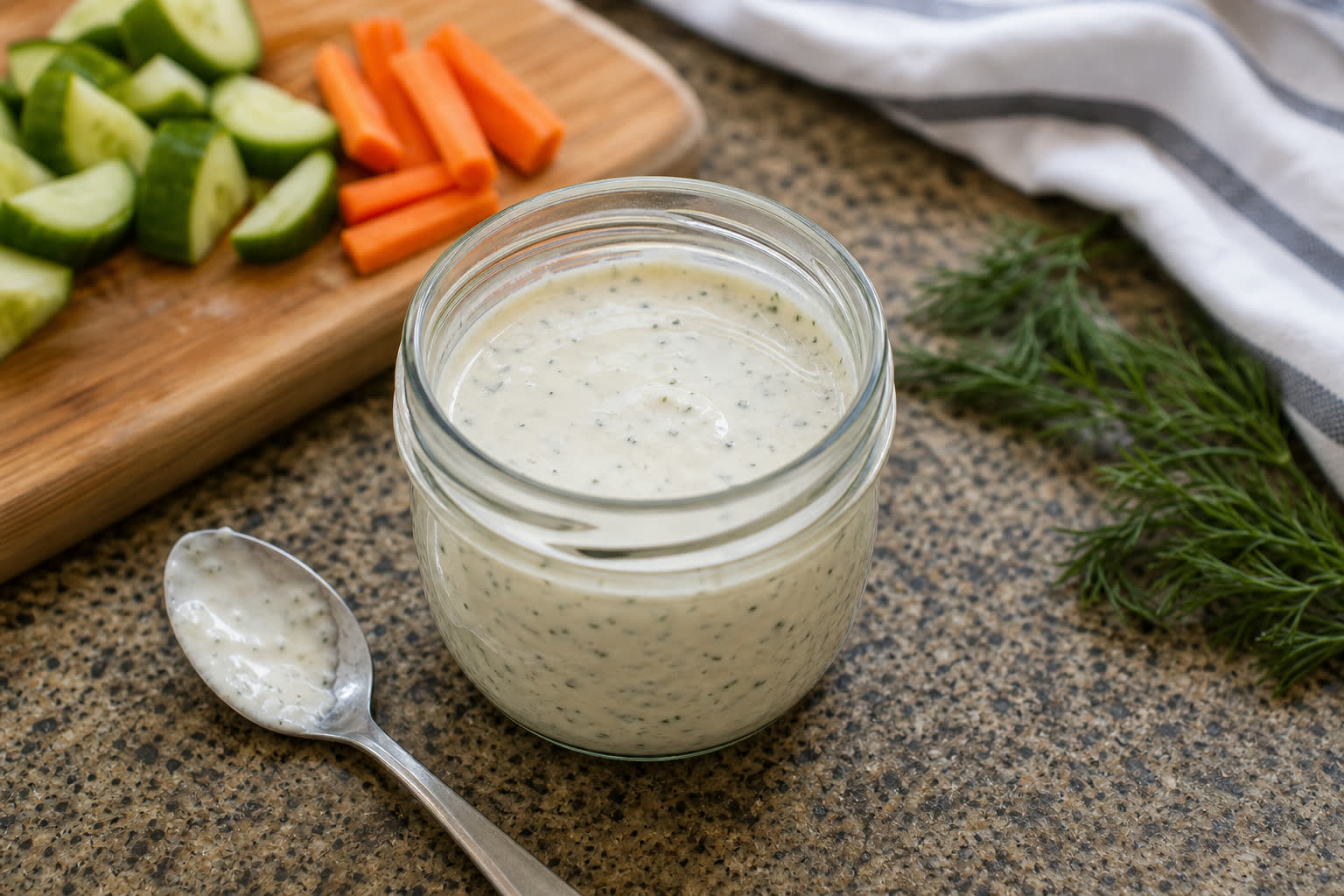
This is the kind of salad I would rather pack in parts than fully assemble too early. This creamy greek yogurt ranch dressing focuses on creamy ranch-style dressing, simple jar storage, and the salad styles it pairs with best. It is written for containers, a refrigerator, a commute, and a real midday break, so the packing notes matter as much as the ingredient list.
The detail I watch first is moisture. Creamy ranch-style dressing, juicy vegetables, warm cooked ingredients, and toasted seeds all need a little space from each other if lunch has to sit for a few hours.
Why I like this for meal prep
The useful thing about creamy ranch-style dressing is that it can be made ahead without making the salad soggy. You get the flavor ready, but the greens stay dry until lunch.
The pairing matters more than it seems. A thick dressing can feel heavy on tender greens, while a sharp vinaigrette can wake up beans, grains, and leftovers from the fridge.
If the salad has to commute, a sealed cup is safer than trusting a dressed container to stay crisp for hours.
Personal experience
I started portioning dressings into small cups because one leaky jar taught me the lesson quickly.
The cup also keeps me honest about quantity. A cold salad needs enough dressing to wake it up, but not so much that every bite tastes the same.
Before packing, I shake the jar and taste it on something cold. That tiny test tells me more than tasting it warm from a spoon.
Ingredients
I keep the ingredient list familiar because lunch prep works best when the groceries are easy to repeat.
- Greek yogurt, olive oil, or another dressing base
- Fresh lemon juice or vinegar
- Dijon mustard or herbs for flavor
- Kosher salt and black pepper
- A small jar with a tight lid
- Sturdy salad greens for pairing
- Optional garlic, maple syrup, or spices
- Small dressing cups for packed lunches
Ingredient notes
If your romaine and chopped vegetables look damp after washing, give them a few minutes on a clean towel. That small step makes the salad feel much fresher later.
If the dressing separates in the refrigerator, that is normal. A hard shake usually brings it back together.
If your store is out of one ingredient, do not overthink it. Romaine can stand in for mixed greens, cabbage can replace romaine when you need more crunch, and chickpeas can cover for many cooked proteins in a pinch.
Step-by-step instructions
- Add the dressing base, acid, salt, pepper, and flavorings to a small jar.
- Shake until the dressing looks smooth and evenly combined.
- Taste with a piece of lettuce or cucumber instead of tasting from a spoon only.
- Portion the dressing into small cups for packed lunches.
- Shake again before serving because homemade dressings naturally settle or separate.
Before the containers go into the fridge, check that the creamy ranch-style dressing is sealed and the wettest ingredients are not sitting directly on the most delicate greens.
How to pack it for work
Thin the dressing after chilling because yogurt thickens in the refrigerator. That one detail is worth doing because packed salads usually fail from moisture, heat, or timing rather than from the recipe itself.
A shallow rectangular container is easiest when you want to eat straight from the container. A jar works better only when the layers are intentional: dressing, sturdy vegetables, filling ingredients, then greens.
For a commute, I like one small barrier against extra moisture: a paper towel near wet vegetables, a sealed dressing cup, or a separate bag for toppings.
One mistake I avoid now is packing the container too full. If there is no room to shake or toss the salad, lunch becomes awkward fast.
Day-two texture check
The next-day test for creamy ranch-style dressing is texture. If it pours slowly, loosen it with cold water one teaspoon at a time instead of adding more oil or sweetener.
If you pack lunch early, put the dressing cup beside the salad rather than on top of delicate greens. That keeps leaks easier to notice.
The mistake I would avoid is mixing everything just because the container looks prettier that way. Pretty layers matter less than keeping the romaine and chopped vegetables from sitting in dressing.
What makes this useful
What makes creamy greek yogurt ranch dressing useful is that it answers a real lunch problem instead of just filling a bowl. You get something cold, filling, and packable without depending on a microwave or a long lunch break.
If I were prepping this during a normal week, I would build two containers first and keep the remaining romaine and chopped vegetables, Greek yogurt and herbs, and creamy ranch-style dressing as components. That gives you a little flexibility if plans change.
This is also where the narrow focus of Workday Salads matters. I am not trying to make every possible recipe; I am trying to make the lunch-container details clear enough that the salad still works after real refrigerator time.
If you make creamy greek yogurt ranch dressing once, write down the part that changed most by lunch. For one salad it might be watery greens; for another it might be a topping that needed its own cup. That note is more useful than trying to memorize a perfect formula.
Storage notes
I like this best within about three days, even if some ingredients technically last longer. The texture is the part that changes first.
Keep the containers cold, and use your judgment with leftovers. If something smells off, looks slimy, or sat out too long, I would rather toss it than try to rescue lunch.
Small tips that help
- Dry greens thoroughly before packing.
- Cool cooked ingredients before closing containers.
- Keep dressing separate until lunch unless using a jar layering method.
- Shake dressing again right before serving because separation is normal.
- Taste the creamy ranch-style dressing before packing; cold food often needs a little extra acidity or salt.
Variations
For a sturdier version, lean harder on cabbage, kale, or romaine. For a softer version, use more romaine and chopped vegetables and eat that container earlier.
You can swap the filling with chicken, tuna, eggs, chickpeas, beans, tofu, shrimp, steak, or cottage cheese. The important part is cooling cooked ingredients before they touch the greens.
If you want a softer, fork-friendly salad, chop everything smaller. If you want it to feel more like a bowl from a cafe, leave the pieces a little larger and pack dressing on the side.
FAQ
Why did the ranch get thicker overnight?
Greek yogurt thickens when chilled. Stir in a teaspoon of water, lemon juice, or milk until it pours easily from a dressing cup.
Can I make this without fresh herbs?
Yes. Use dried dill, parsley, or chives, but start small and let the dressing sit for ten minutes before judging the flavor.
What salads does this ranch work best with?
It is best with romaine, chopped vegetables, chicken salads, cabbage salads, and anything that needs a creamy dressing but not a heavy bottled taste.
Can I make it dairy-free?
Use a plain unsweetened dairy-free yogurt and adjust lemon, salt, and herbs after it chills. Some dairy-free yogurts need more seasoning.
Food storage links I keep handy
These are general food-safety references I use for refrigerator and leftover basics. They are not diet, medical, or nutrition advice.
You may also like
 Salad Dressings
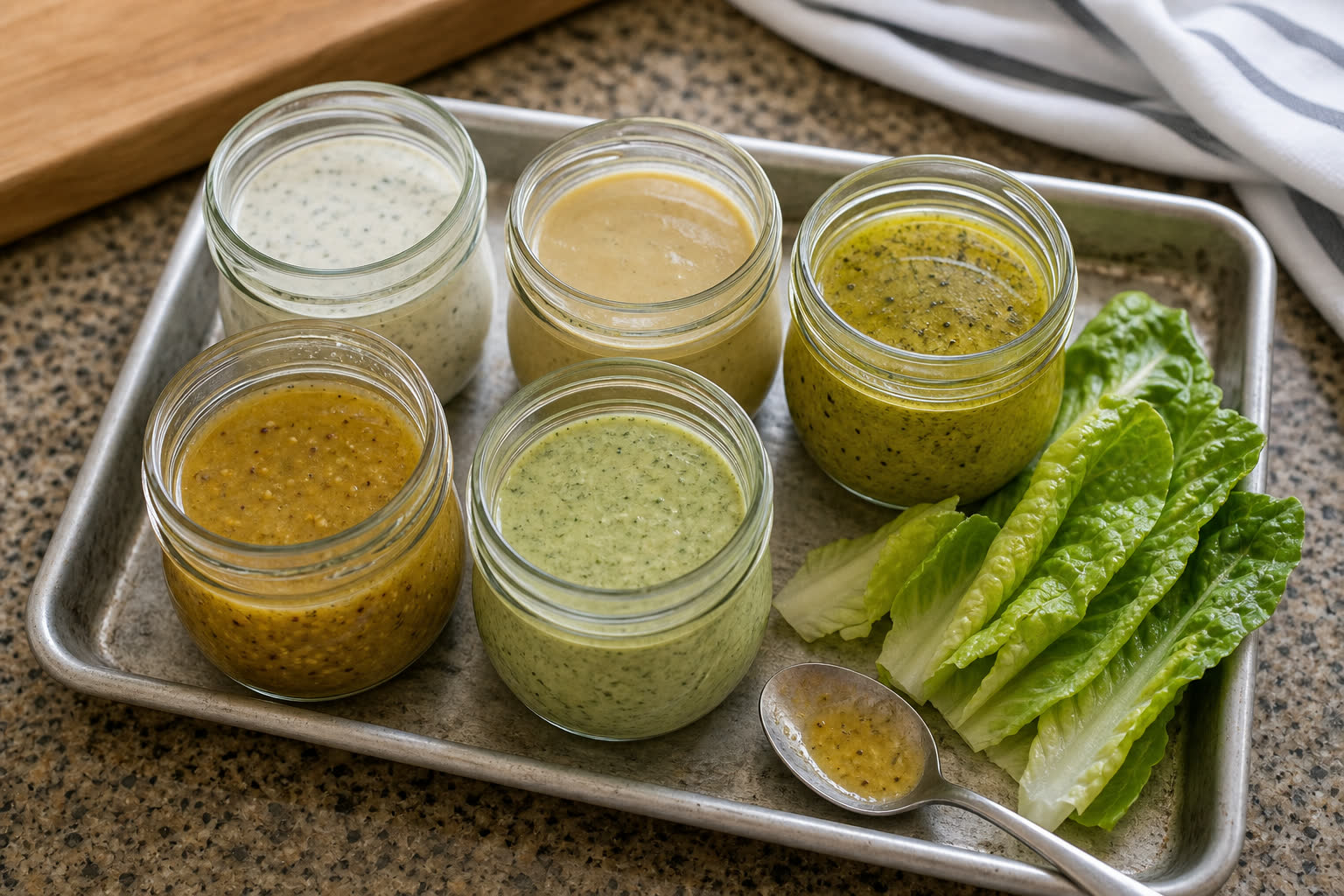
Five Homemade Salad Dressings for Meal Prep
Five Homemade Salad Dressings for Meal Prep: Greek yogurt, olive oil, citrus, and herbs for weekly dressing prep, with five small-batch dressings, jar notes, and pairing ideas.
- Time
- 25 minutes
- Serves
- 4 lunches
 Salad Dressings
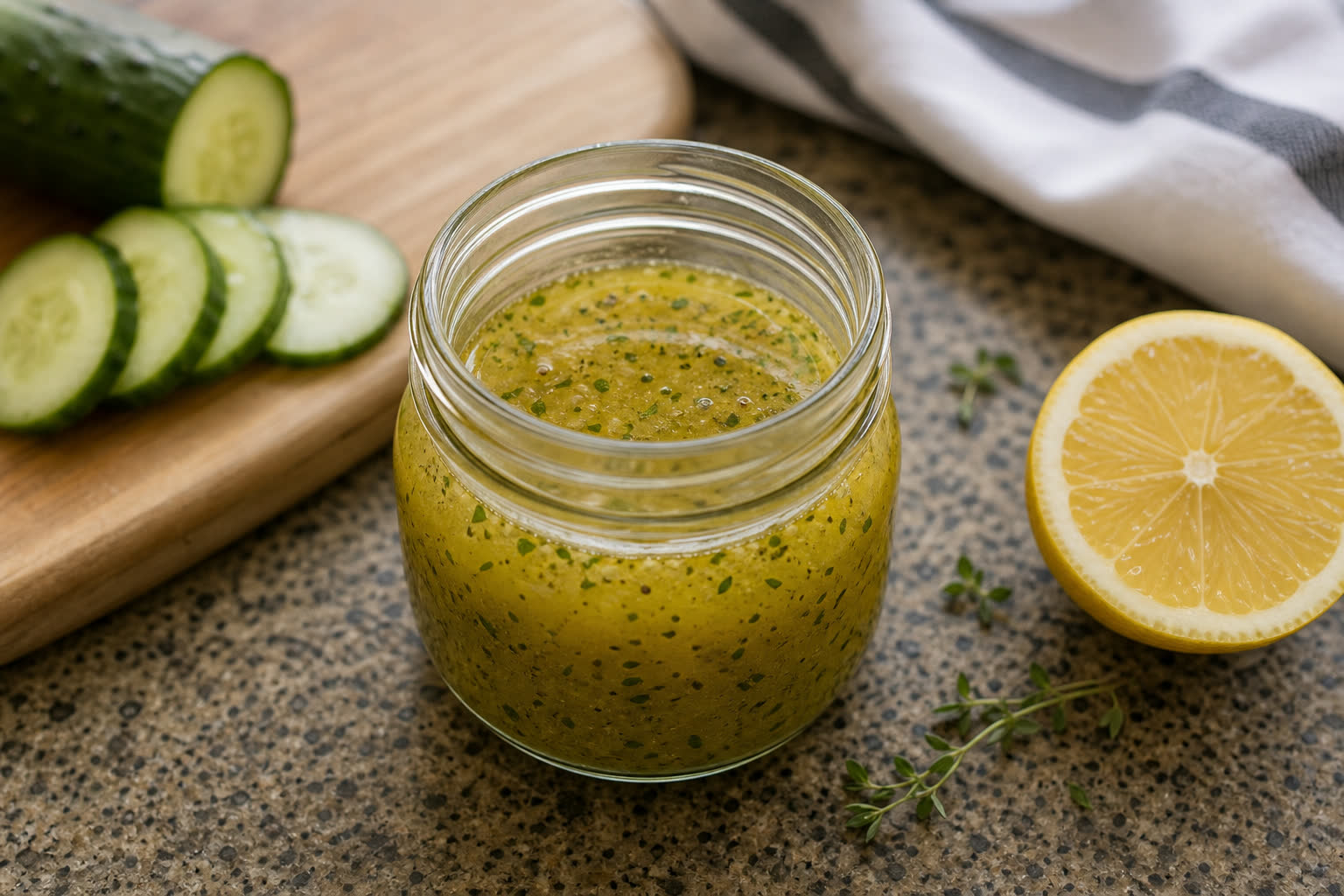
Lemon Herb Vinaigrette for Work Salads
Lemon Herb Vinaigrette for Work Salads: lemon, olive oil, parsley, and garlic for bright make-ahead salads, with lemon herb vinaigrette, jar notes, and pairing ideas.
- Time
- 25 minutes
- Serves
- 4 lunches
 Salad Dressings
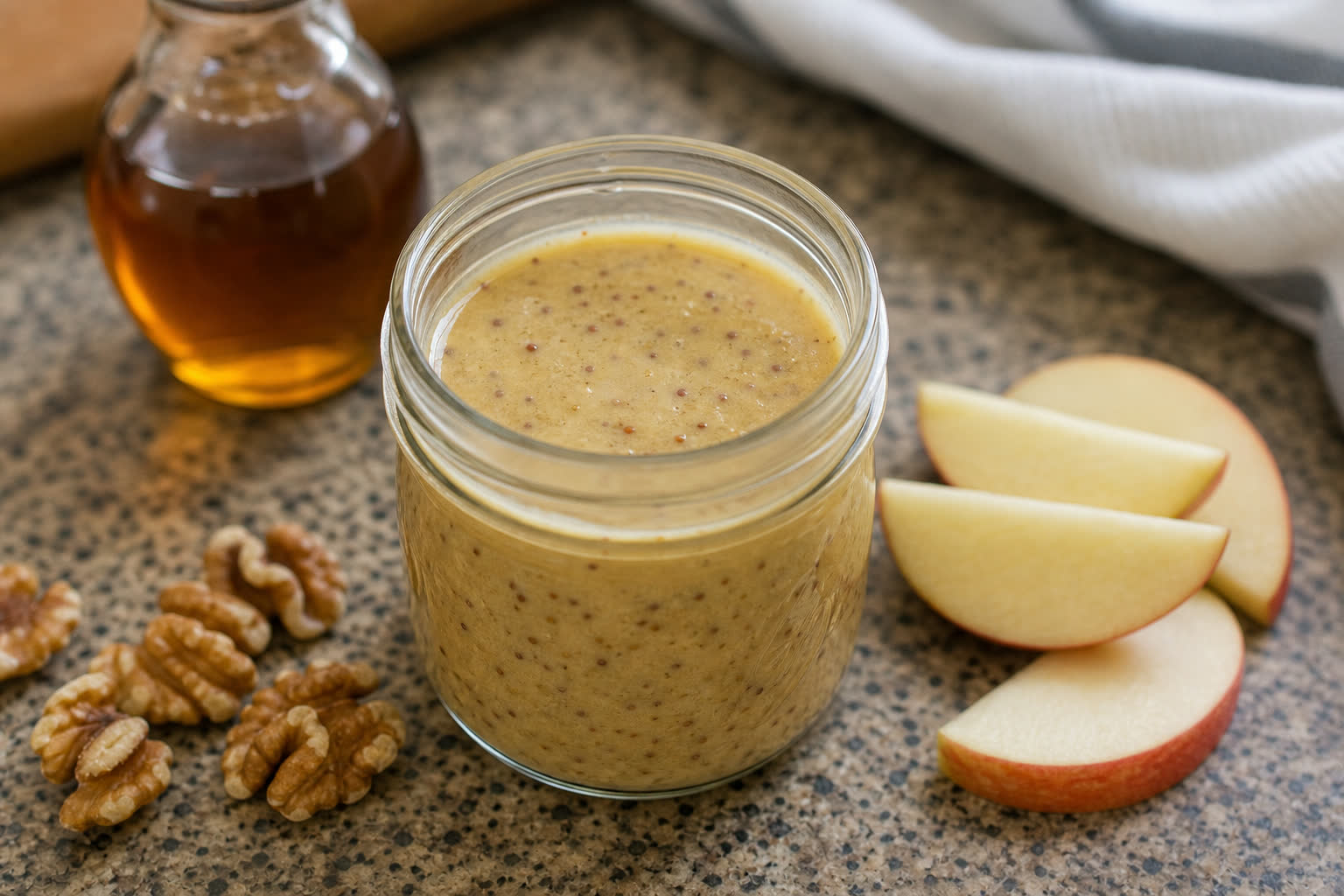
Maple Mustard Dressing for Fall Salads
Maple Mustard Dressing for Fall Salads: Dijon mustard, maple syrup, and vinegar for fall salad prep, with maple mustard dressing, jar notes, and pairing ideas.
- Time
- 25 minutes
- Serves
- 4 lunches

About Emma Reed
Emma Reed is a Midwest-based home cook and lunch-prep writer. She focuses on make-ahead salads, simple dressings, and practical container notes from everyday home-kitchen testing. She is not a dietitian, doctor, or professional chef.
Each Workday Salads article is written around real lunch-prep questions: what gets soggy, what should stay separate, and how the salad behaves after refrigerator time.
Read more about the author How recipes are tested