Meal Prep Salads
Apple Cheddar Chicken Salad with Maple Mustard Dressing
Apple Cheddar Chicken Salad with Maple Mustard Dressing: roasted chicken, kale and romaine, maple mustard dressing, and walnuts for fall work lunches.
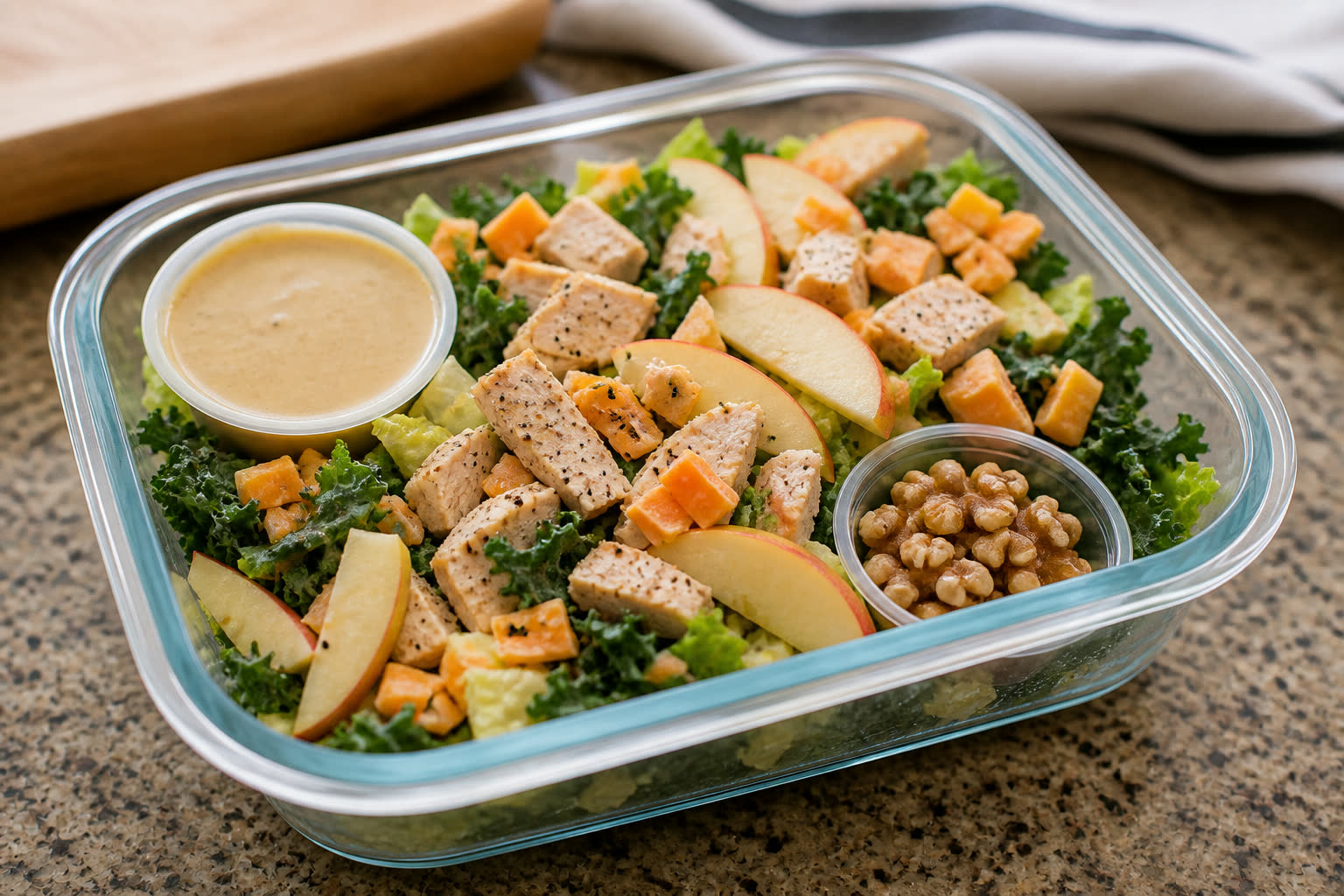
The whole point here is to make lunch easier without pretending salad prep is magic. This apple cheddar chicken salad with maple mustard dressing is built around roasted chicken, kale and romaine, maple mustard dressing, and walnuts. It is written for containers, a refrigerator, a commute, and a real midday break, so the packing notes matter as much as the ingredient list.
The packing order does a lot of work. If the wettest ingredients sit away from the greens and the walnuts waits until lunch, the salad feels much fresher.
Why I like this for meal prep
The base is kale and romaine, so the salad has some crunch before the softer ingredients go in. That balance matters after a night in the fridge.
Roasted chicken makes the lunch more filling, but it should not be packed hot or pressed hard into the greens. I let it cool and give it its own section.
Maple mustard dressing brings the flavor, but it also brings moisture. A small cup keeps that moisture under control until you are ready to eat.
Personal experience
I like this style of salad because it gives me a real lunch without asking for much attention in the morning.
This is not a salad I would drown in dressing before packing. Cold ingredients need a little more seasoning than warm food, but they do not need to sit in dressing all morning.
This is the kind of lunch that improves when you leave a little room in the container. A quick toss at noon is much easier when everything is not packed tight.
Ingredients
I think of the list in parts: a sturdy base, something filling, dressing in a cup, and one topping that waits until lunch.
- 3 to 4 cups kale and romaine
- 2 cups roasted chicken
- 1/2 cup maple mustard dressing
- 1/3 cup walnuts
- 1 cup chopped cucumbers or celery
- 1 cup cherry tomatoes or another sturdy vegetable
- 1 tablespoon fresh herbs
- Kosher salt and black pepper
Ingredient notes
If kale and romaine look tired or wet, use the crispest pieces for later containers and save the softer pieces for the first lunch.
Walnuts can go in a tiny cup, bag, or corner of the lunch box. What matters is keeping it away from dressing.
If you are shopping at a regular supermarket, choose the best-looking sturdy vegetable first and build around it. A crisp head of romaine or a bag of cabbage mix can rescue a lot of lunch plans.
Step-by-step instructions
- Wash and fully dry the kale and romaine before chopping them into lunch-friendly pieces.
- Prepare the roasted chicken and let any warm ingredient cool before it touches the greens.
- Whisk or shake the maple mustard dressing, then portion it into small dressing cups.
- Divide the sturdy vegetables, roasted chicken, and greens into four containers.
- Pack the walnuts separately and add that topping right before eating.
This is also the moment to move juicy pieces to one side of the container so they do not soak the greens before lunch.
How to pack it for work
Toss apple slices with lemon juice so they look fresher later. If you only remember one packing detail for this recipe, make it that one.
If you are packing more than one lunch, build the most delicate container for the earliest day and save the sturdiest one for later.
If your lunch bag gets jostled, pack the softest ingredients away from the greens and put the topping cup on top.
If the salad includes fruit, I pack it closer to the top and eat that container earlier in the week. Fruit is lovely, but it is not the most patient lunch ingredient.
Day-two texture check
This salad should still feel like lunch after a night in the fridge, not like a bowl of leftovers. The walnuts and maple mustard dressing are the two parts I protect most carefully.
For a later lunch break, choose the container with the driest greens and save the juicier one for a day when you can eat earlier.
If one ingredient is especially wet, give it its own corner. That tiny bit of separation keeps the whole lunch from tasting like the wettest thing in the box.
What makes this useful
Apple Cheddar Chicken Salad with Maple Mustard Dressing works best when it is treated as a packed lunch from the beginning, not as a dinner salad forced into a container afterward.
If you are packing for more than one person, leave the walnuts and maple mustard dressing separate so each container can be adjusted at lunch. That is easier than trying to predict everyone's perfect amount in the morning.
A recipe like this is only helpful if it tells you where the texture can fail. The maple mustard dressing, kale and romaine, and walnuts are the parts I would watch first.
If you are new to packing salads, make one container before making four. That single test tells you how the kale and romaine, maple mustard dressing, and walnuts behave in your actual fridge.
Storage notes
The storage window depends on the wettest ingredient, not the strongest one. For this salad, two to three days is the range I would plan around.
Labeling the containers helps more than people think. It keeps the older lunch from hiding behind the newer one until it is past its best texture.
Small tips that help
- Dry greens thoroughly before packing.
- Cool cooked ingredients before closing containers.
- Keep dressing separate until lunch unless using a jar layering method.
- Add walnuts at the last minute for better texture.
- Taste the maple mustard dressing before packing; cold food often needs a little extra acidity or salt.
Variations
The base does not have to be identical every time. Keep the same dressing and filling, then adjust the greens based on what looks fresh.
For more protein, add something firm and cold: boiled eggs, chickpeas, chicken, tuna, tofu, or edamame all work better than a wet scoop of something hot.
If you are making this for more than one person, keep the base the same and let each person choose the topping. That is easier than building four totally different lunches.
FAQ
Does Apple Cheddar Chicken Salad with Maple Mustard Dressing still taste good after a night in the fridge?
Yes, as long as the maple mustard dressing and walnuts stay separate. The salad tastes most fresh on day one, still useful on day two, and depends more on careful packing after that.
Can I toss apple cheddar chicken salad with maple mustard dressing with maple mustard dressing before leaving for work?
I would only toss a small portion if you know you are eating soon. For a packed work lunch, keep the maple mustard dressing separate and give everything a quick mix right before eating.
How do I keep the apple pieces from browning?
Toss them with a little lemon juice and eat that container earlier in the week. Slightly thicker slices hold up better than very thin ones.
Does cheddar get weird in the fridge?
Cheddar is fine, but I keep it in small cubes or shreds away from the dressing. It should taste like a topping, not like it has been marinating all morning.
When should I add the walnuts for apple cheddar chicken salad with maple mustard dressing?
Add walnuts right before eating. I like packing them in a tiny bag or side cup because even a little moisture can steal the best texture.
Would you use a jar or a shallow container for apple cheddar chicken salad with maple mustard dressing?
A shallow airtight container is easiest here. Put kale and romaine on one side, roasted chicken on the other, and keep the maple mustard dressing in a small cup so lunch does not turn soggy in the bag.
What can I use instead of chicken in Apple Cheddar Chicken Salad with Maple Mustard Dressing?
For a vegetarian-style container, I would use chickpeas, white beans, baked tofu, or extra vegetables and keep the walnuts for lunch. The texture matters more than copying the original exactly.
Food storage links I keep handy
These are general food-safety references I use for refrigerator and leftover basics. They are not diet, medical, or nutrition advice.
You may also like
 Meal Prep Salads
Chicken Caesar Meal Prep Salad That Stays Crisp
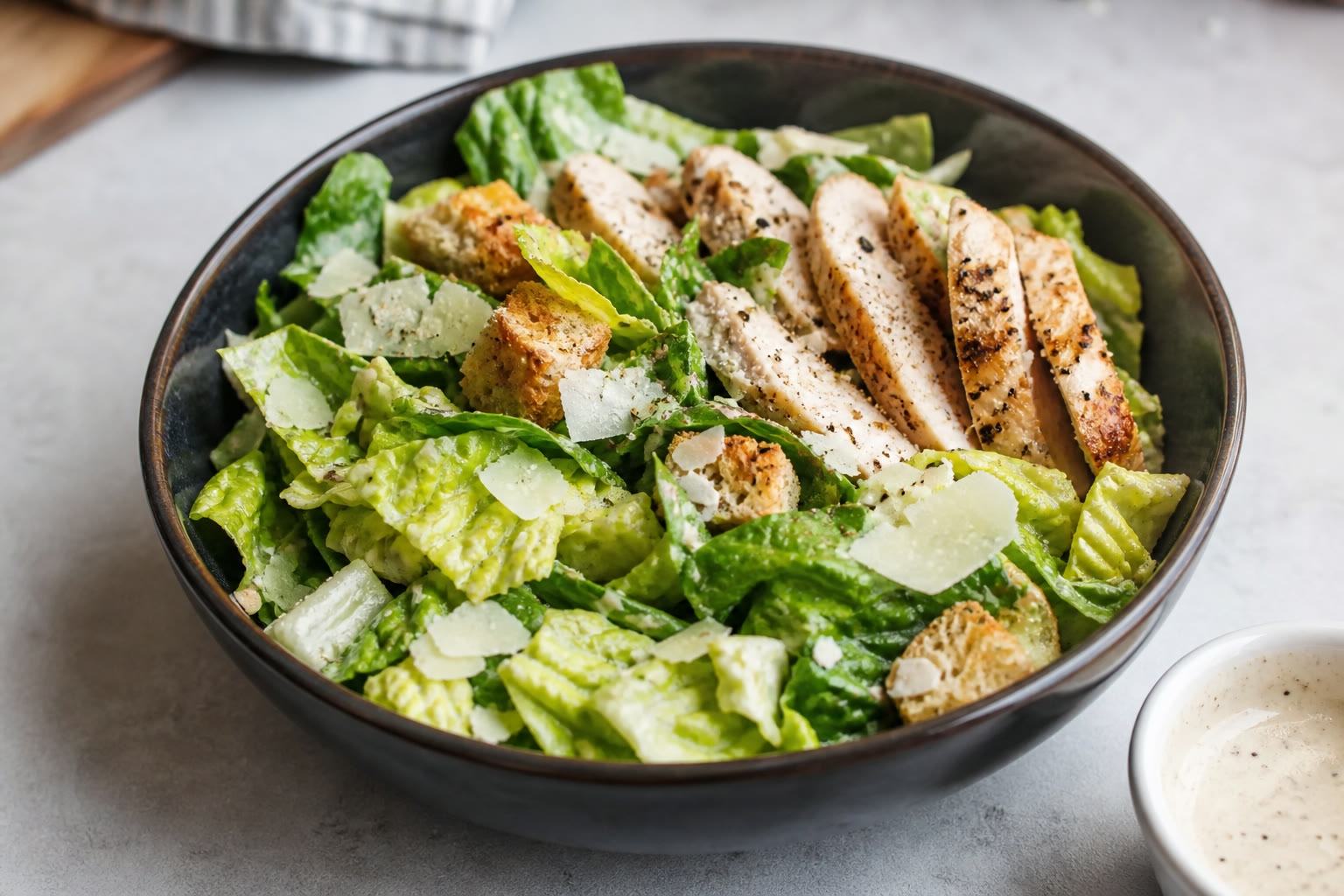
Chicken Caesar Meal Prep Salad That Stays Crisp: grilled chicken, romaine, parmesan yogurt Caesar, and croutons for Monday office lunches.
- Time
- 25 minutes
- Serves
- 4 lunches
 Meal Prep Salads
Mediterranean Chickpea Meal Prep Salad
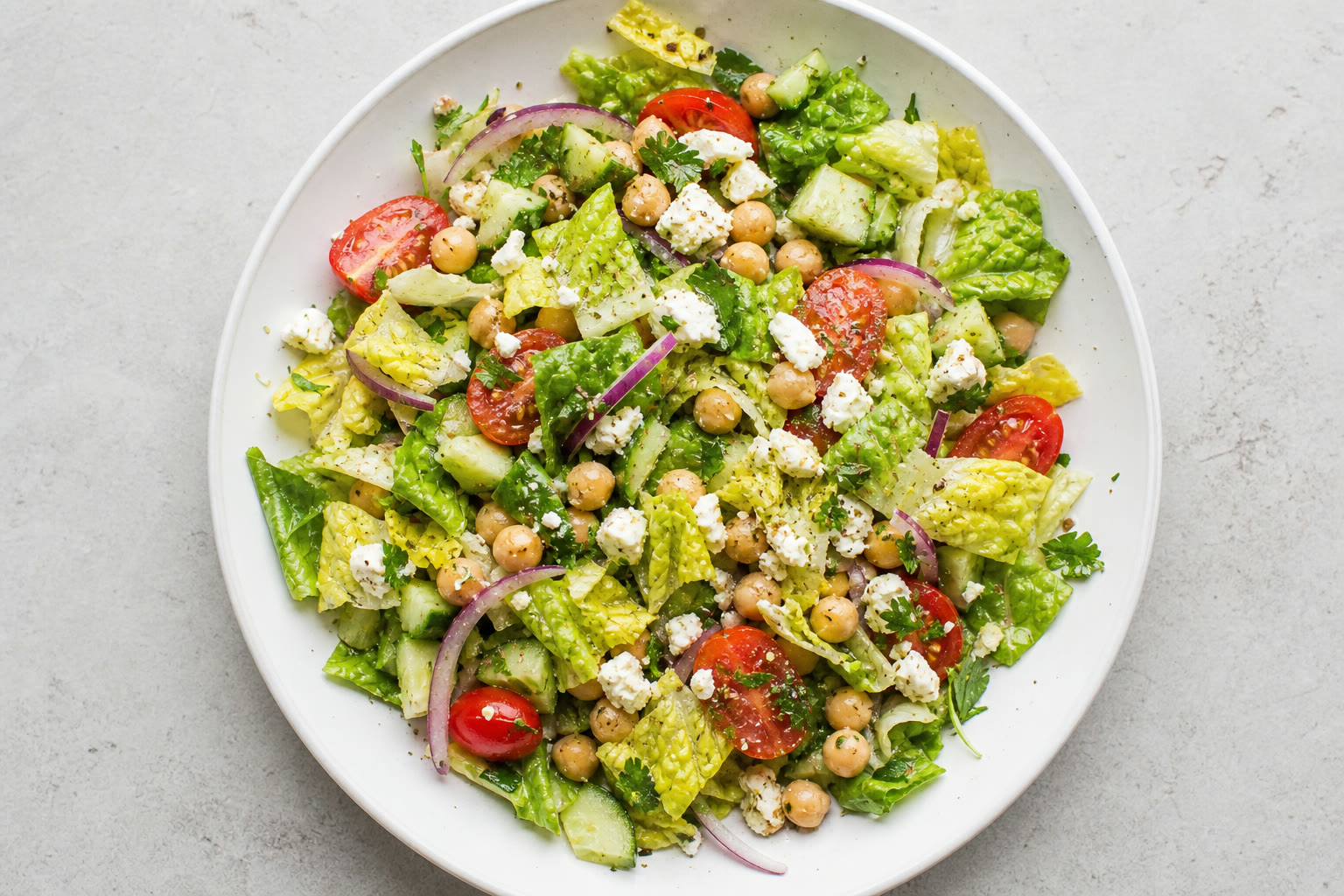
Mediterranean Chickpea Meal Prep Salad: chickpeas, cucumber and romaine, lemon oregano vinaigrette, and feta for no-reheat desk lunches.
- Time
- 25 minutes
- Serves
- 4 lunches
 Meal Prep Salads
Southwest Chicken Salad Jars for Work Lunches
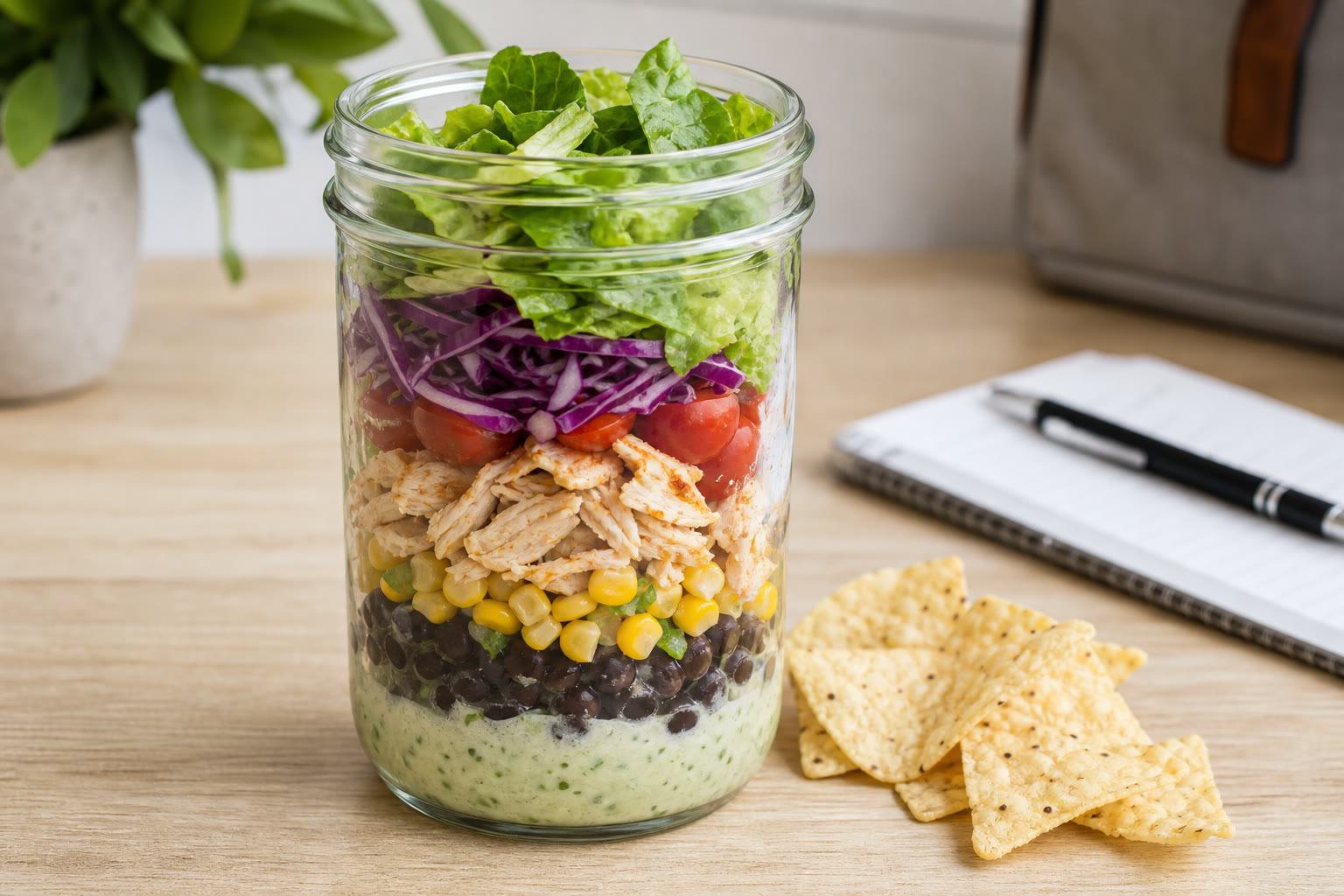
Southwest Chicken Salad Jars for Work Lunches: shredded chicken, romaine and cabbage, lime cilantro dressing, and crushed tortilla chips for jar salads.
- Time
- 25 minutes
- Serves
- 4 lunches

About Emma Reed
Emma Reed is a Midwest-based home cook and lunch-prep writer. She focuses on make-ahead salads, simple dressings, and practical container notes from everyday home-kitchen testing. She is not a dietitian, doctor, or professional chef.
Each Workday Salads article is written around real lunch-prep questions: what gets soggy, what should stay separate, and how the salad behaves after refrigerator time.
Read more about the author How recipes are tested